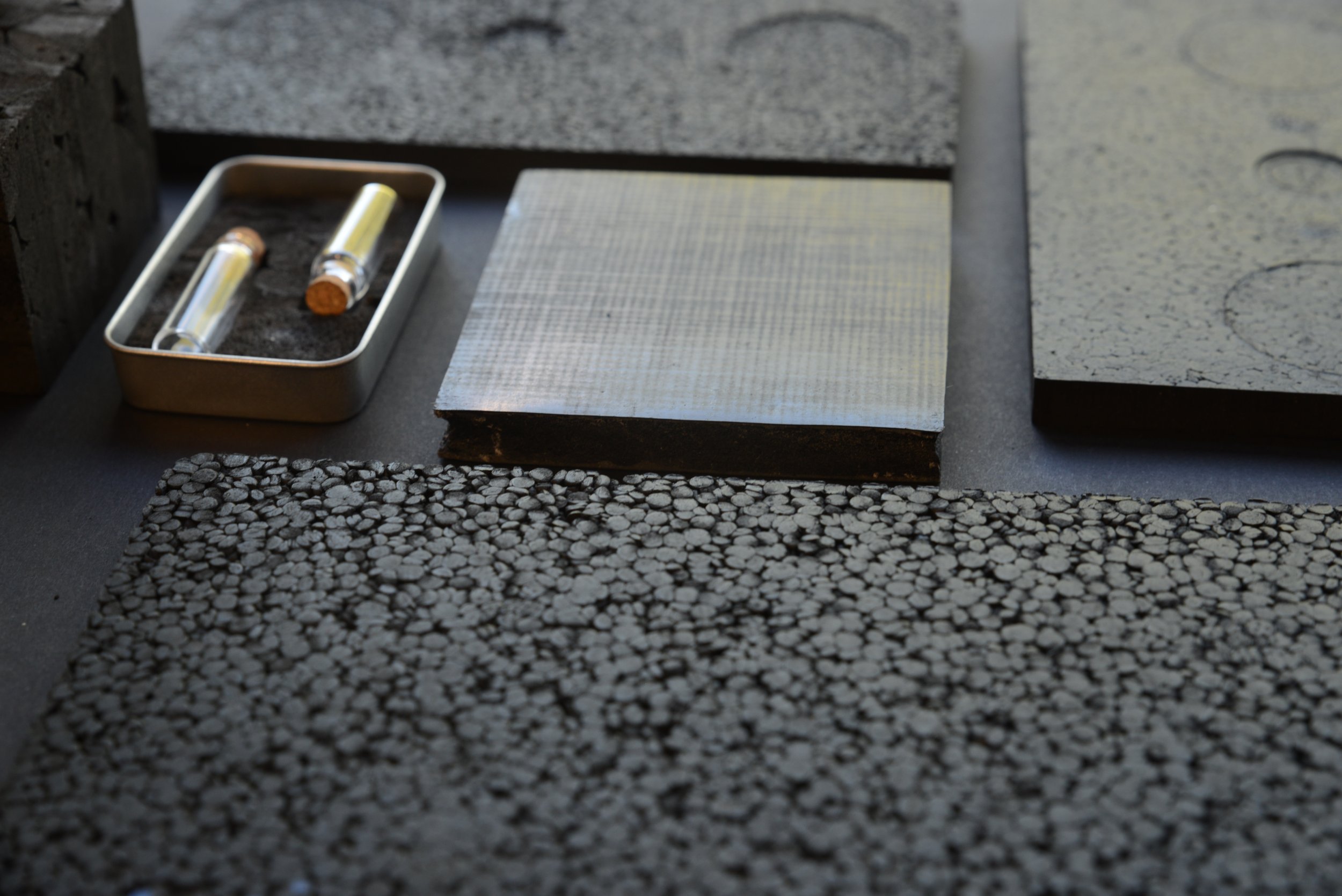
Carbon Cell provides an alternative to polymer-based foams, with a patent pending, plastic-free foam made with carbon-negative biochar.
Find out more on our website
bio-based foam of the future
bio-based foam of the future
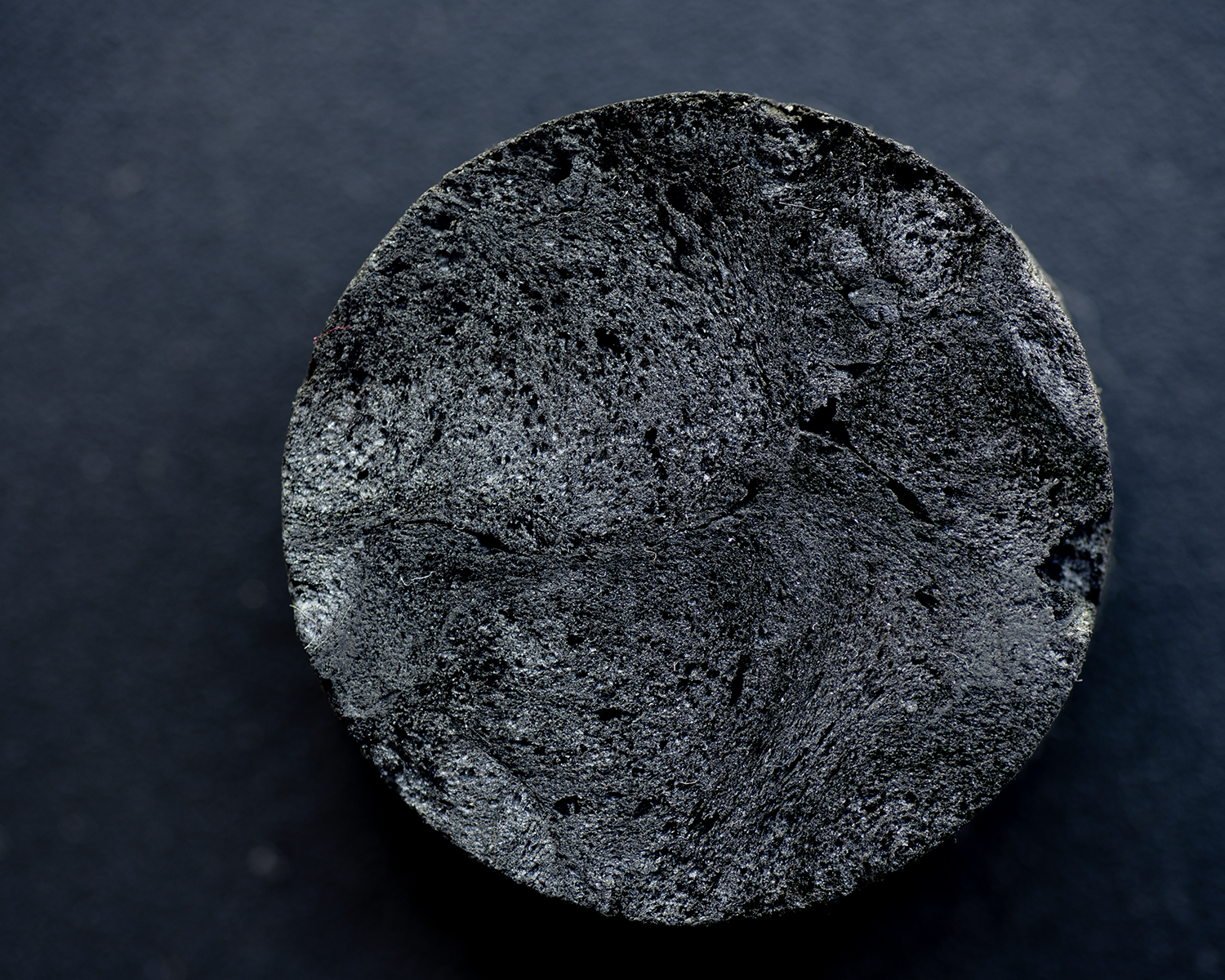
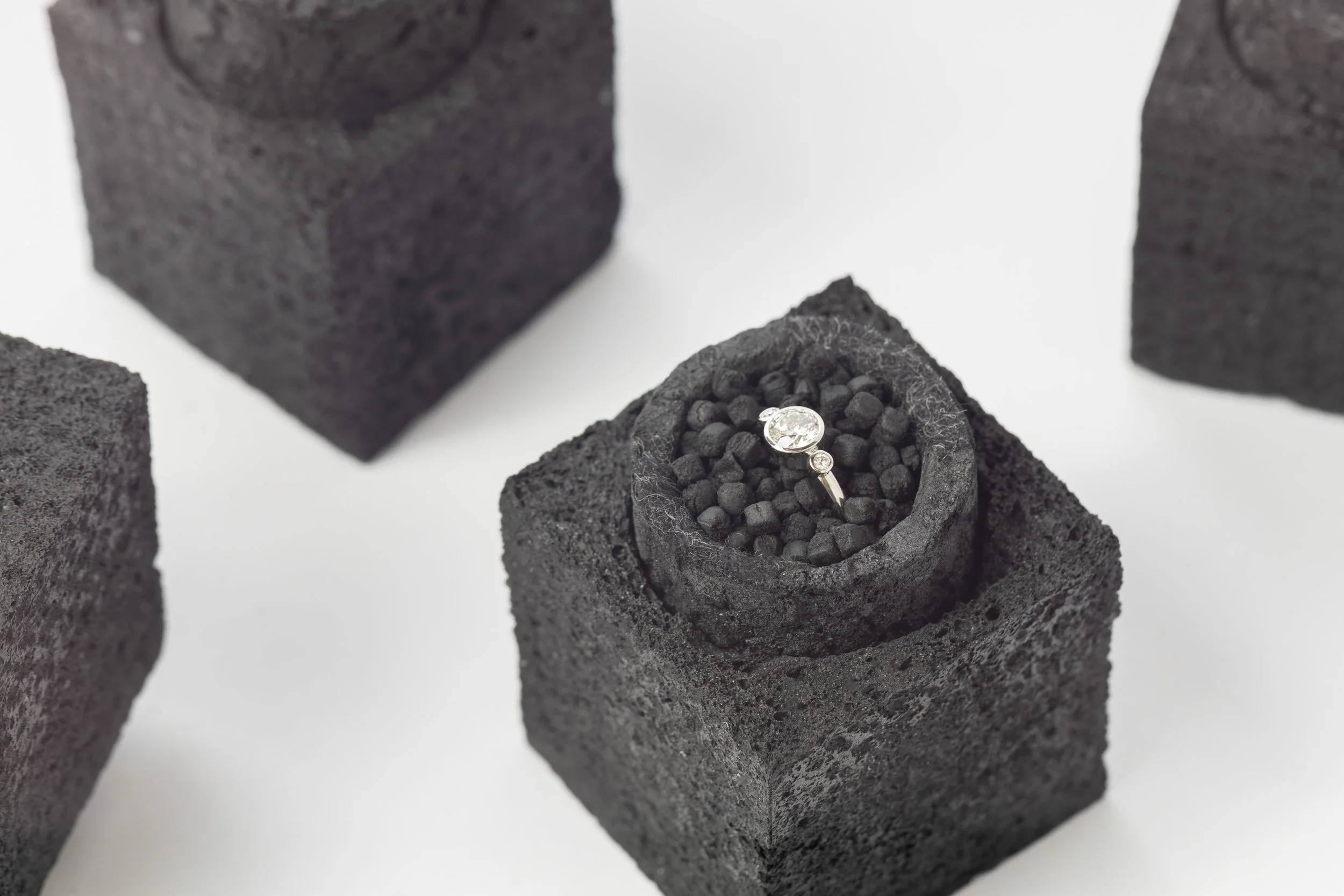
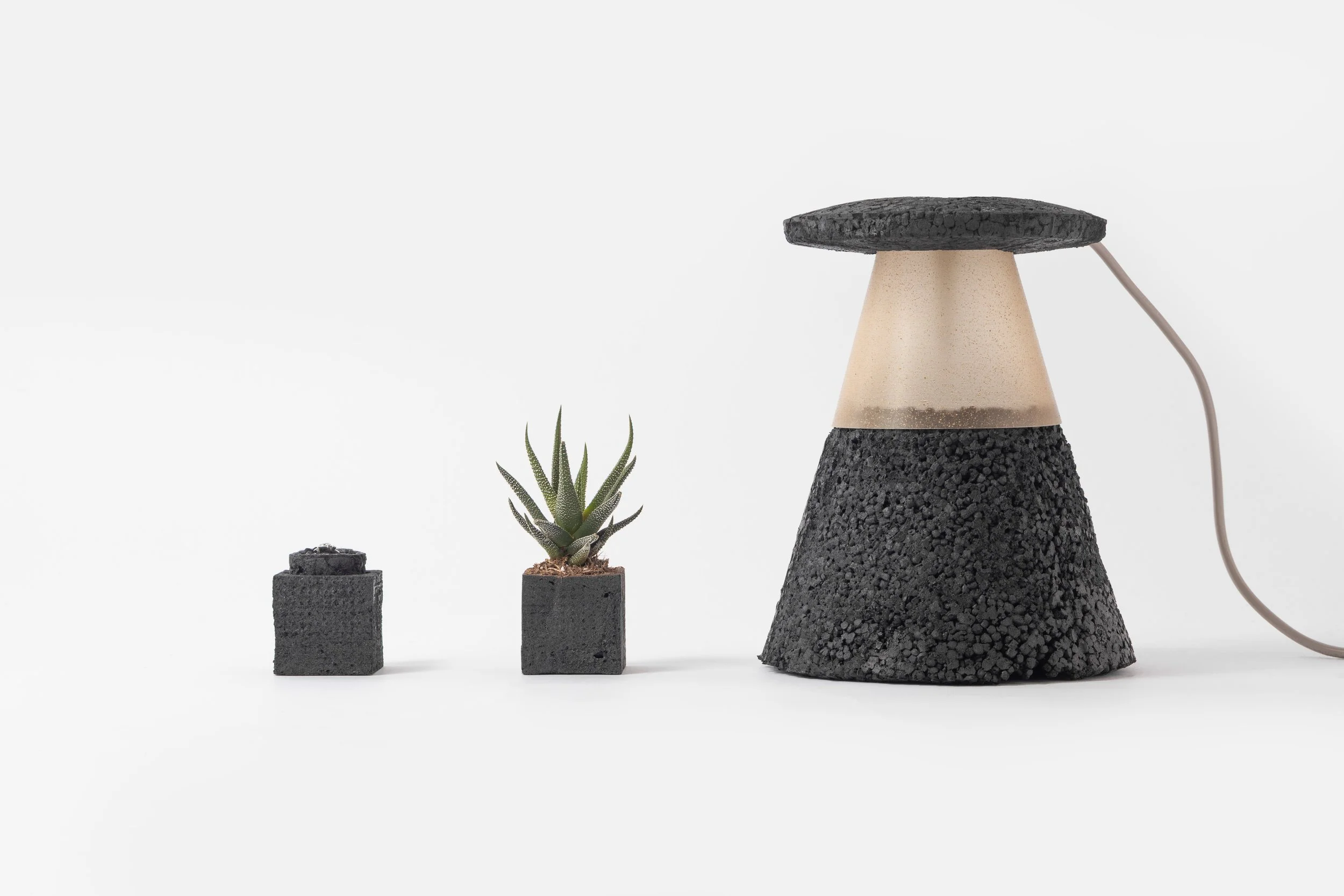
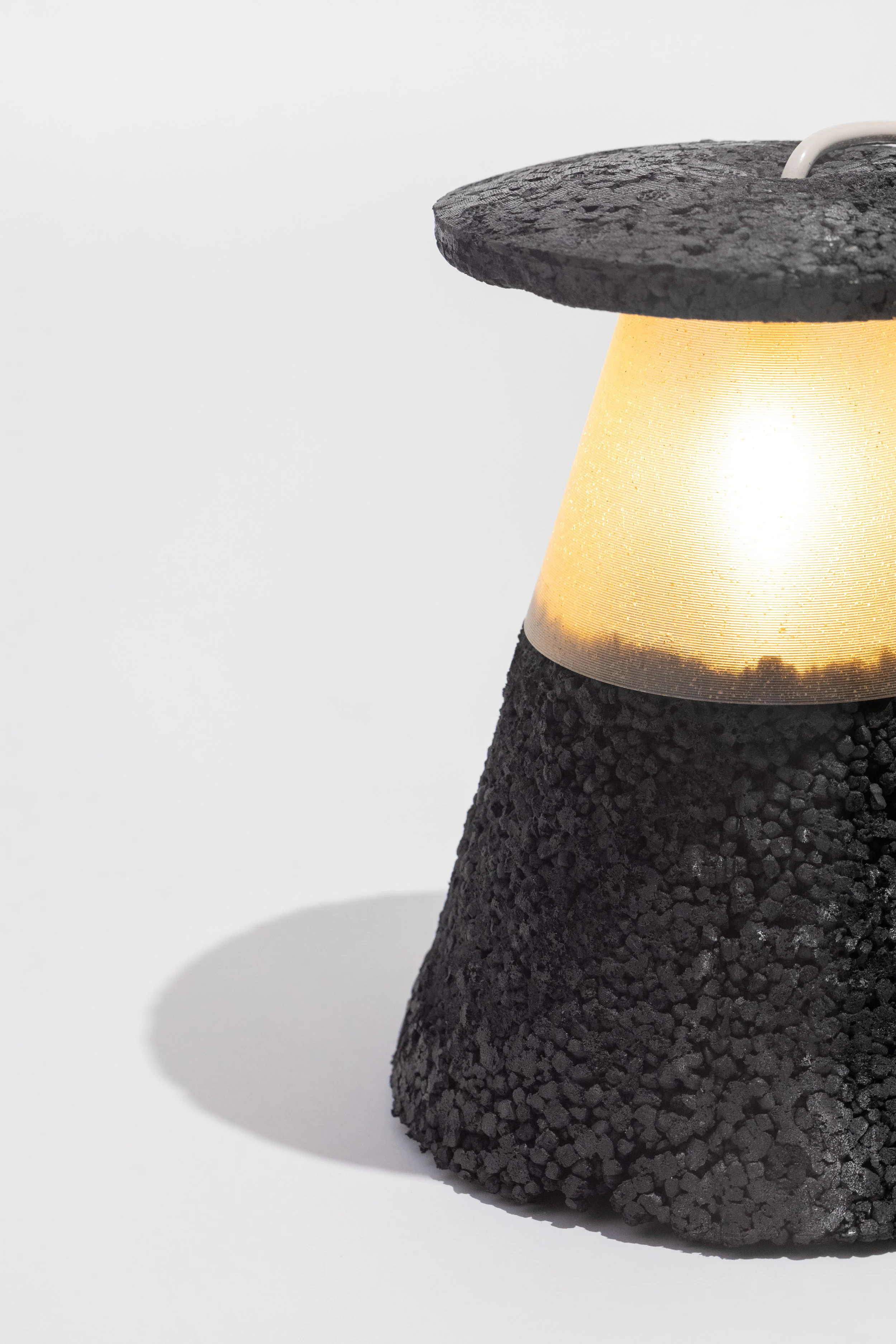
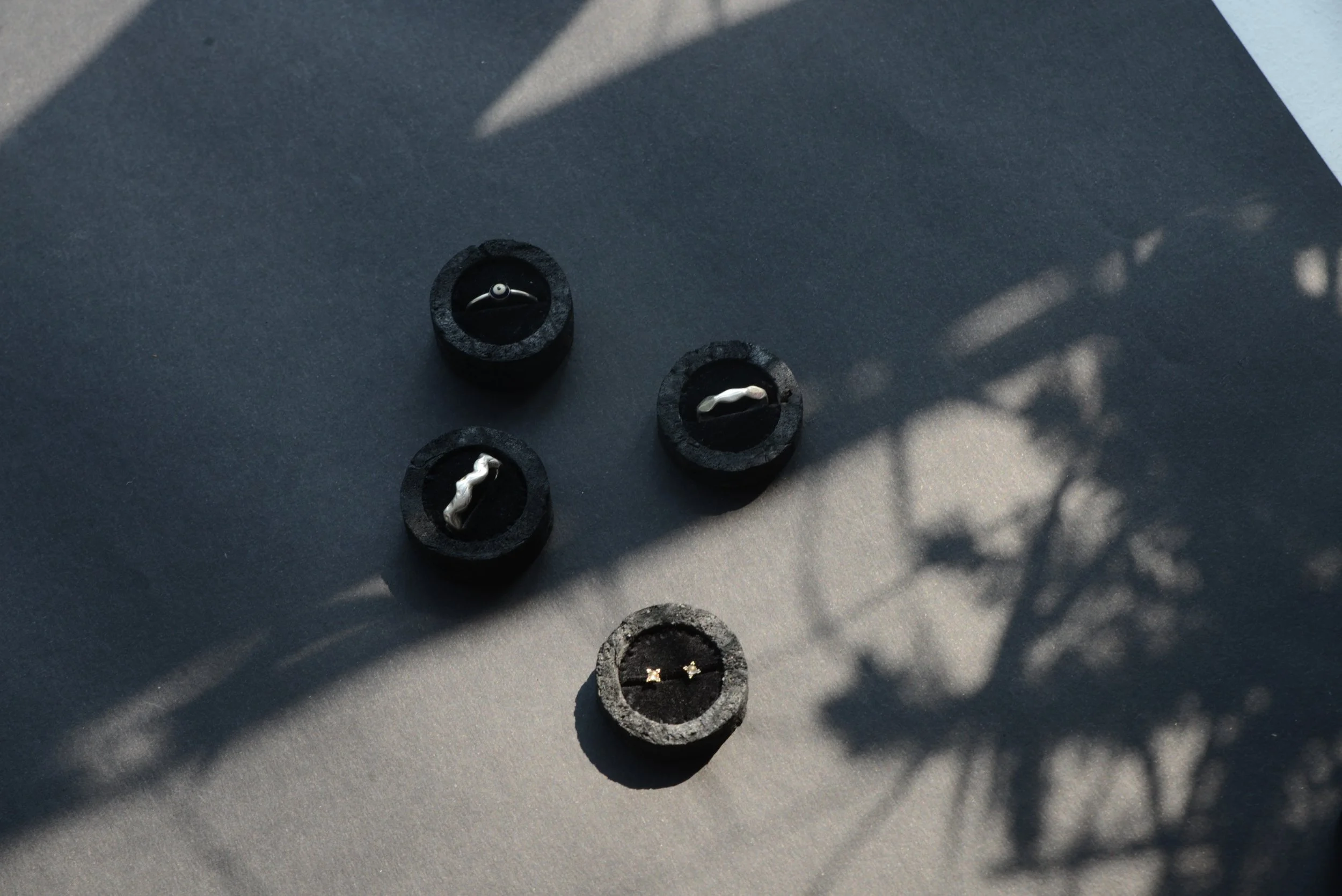
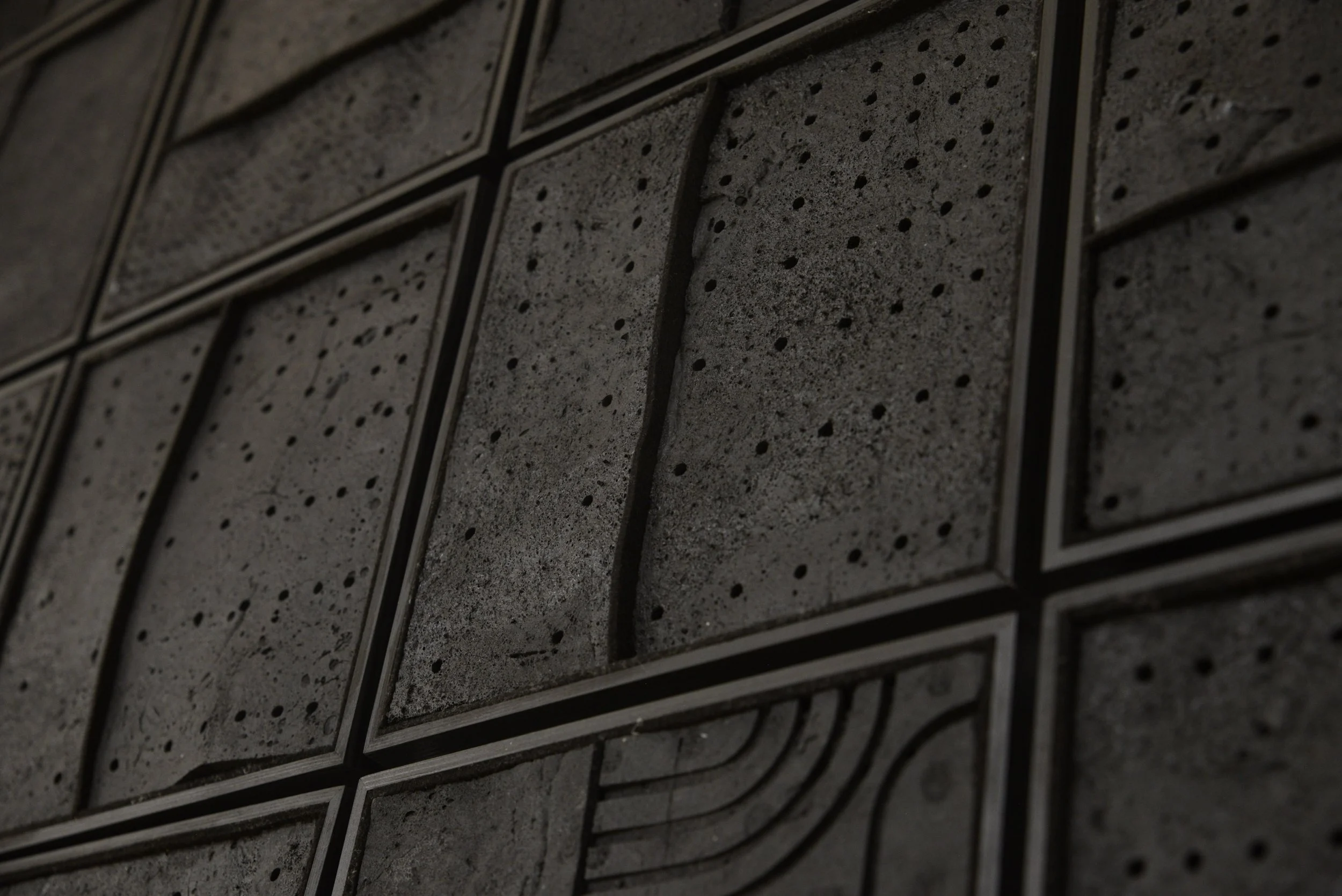
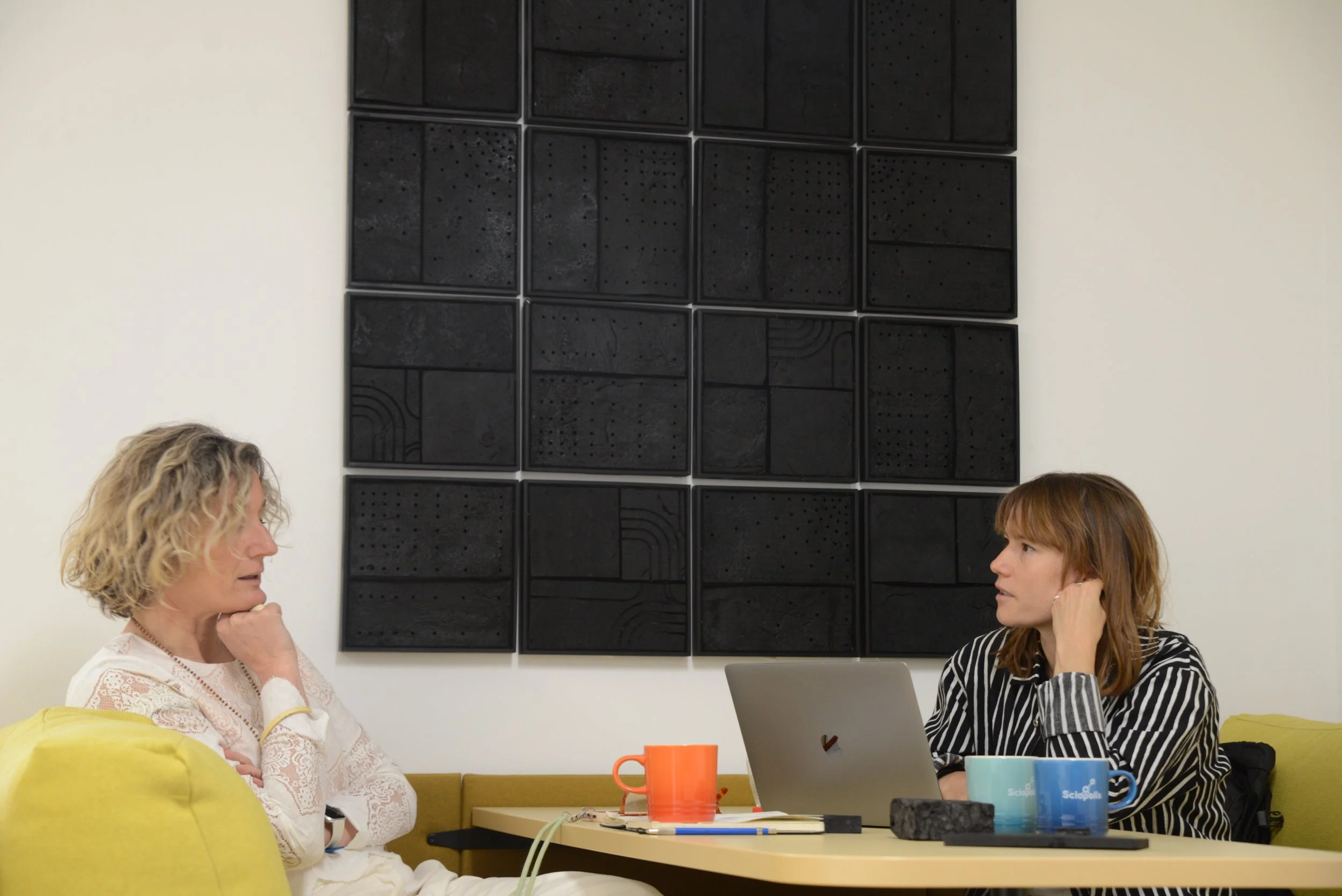
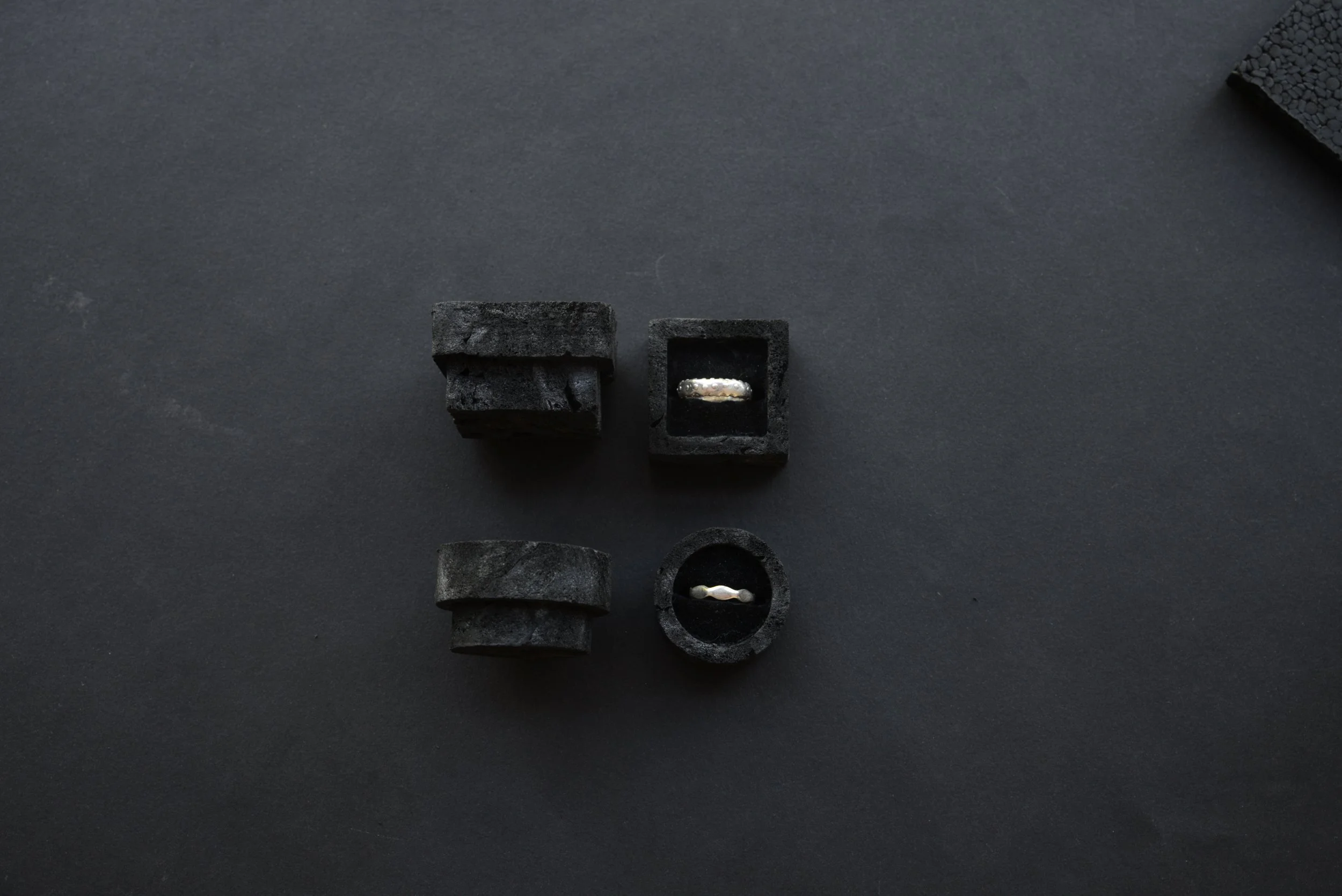
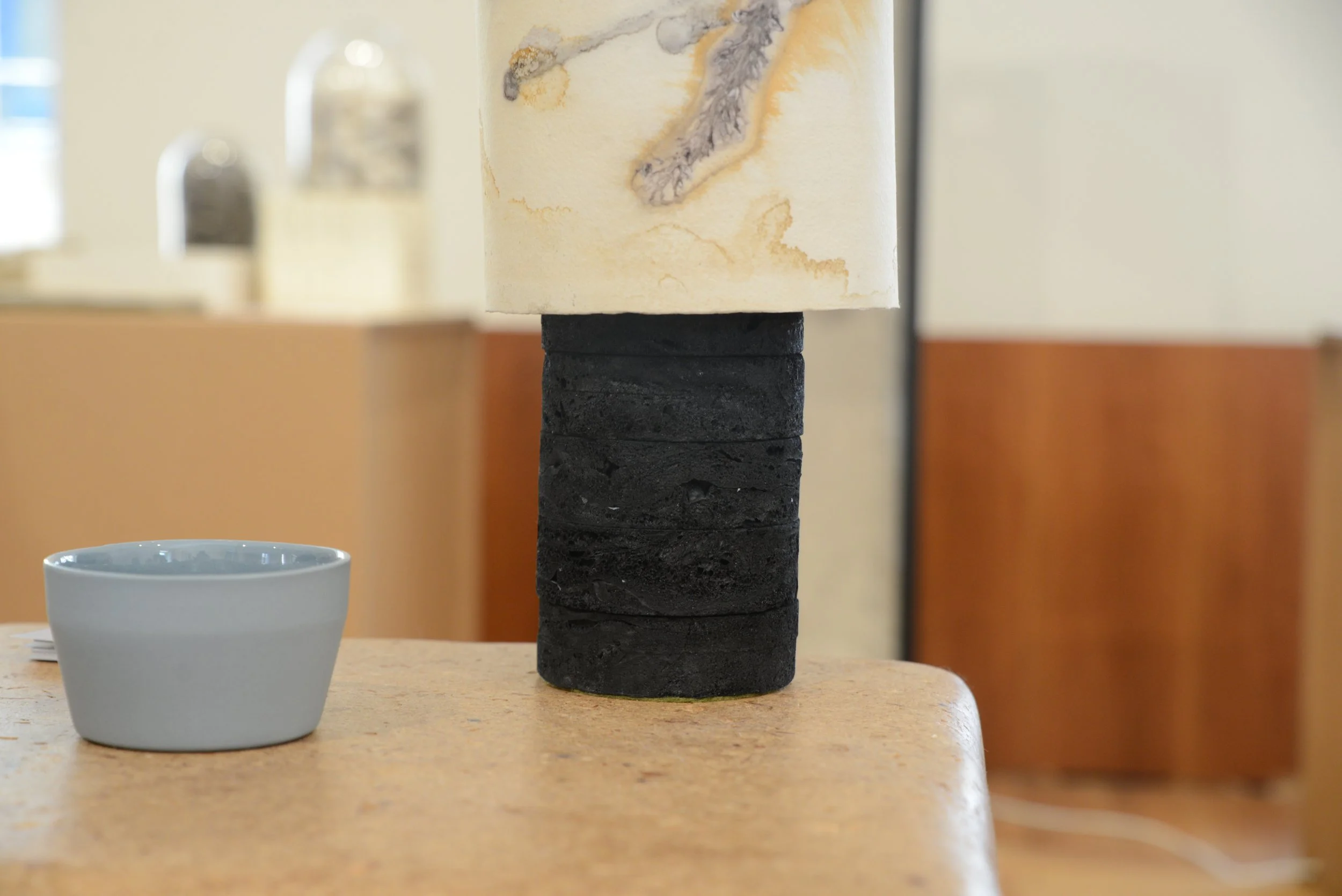
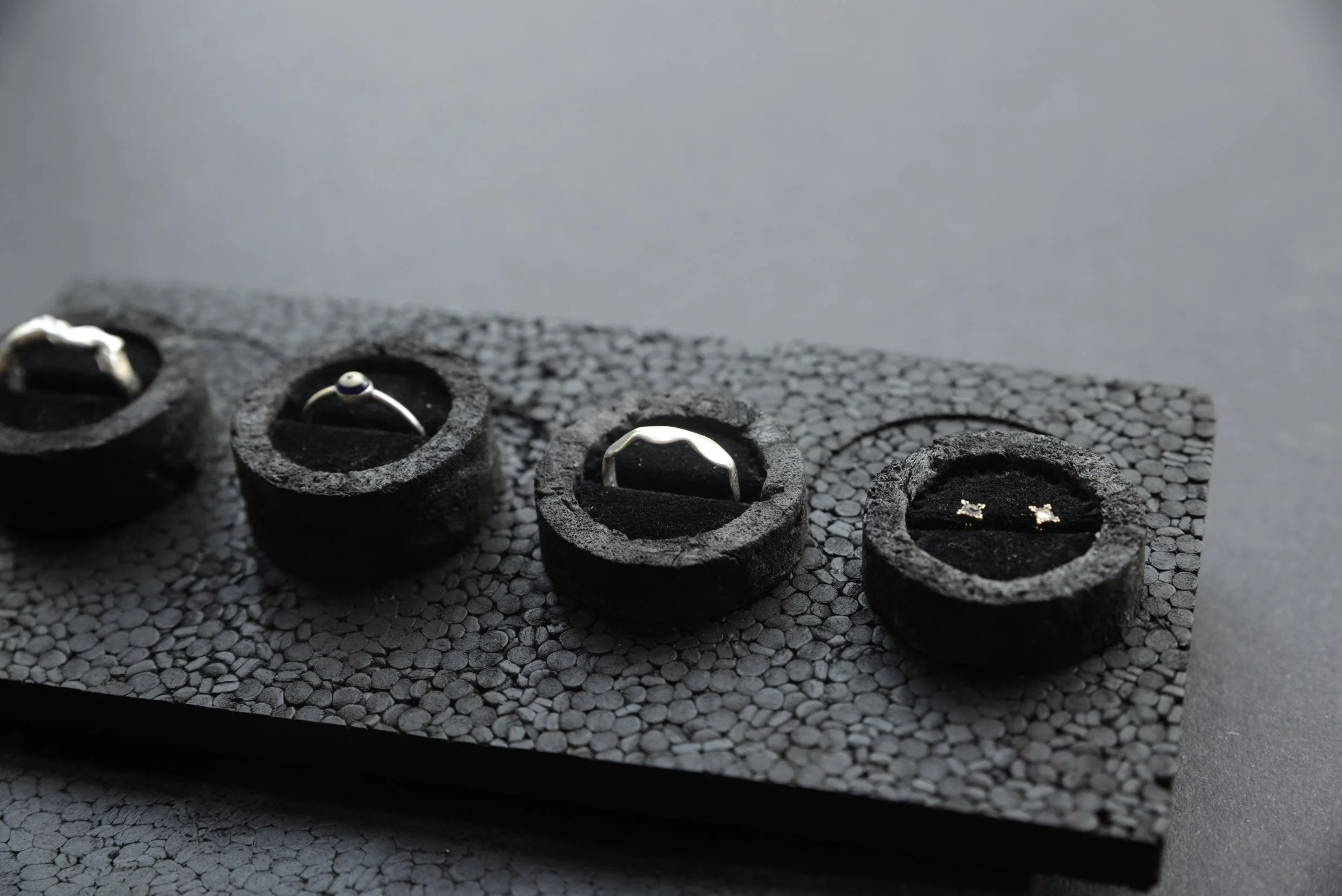
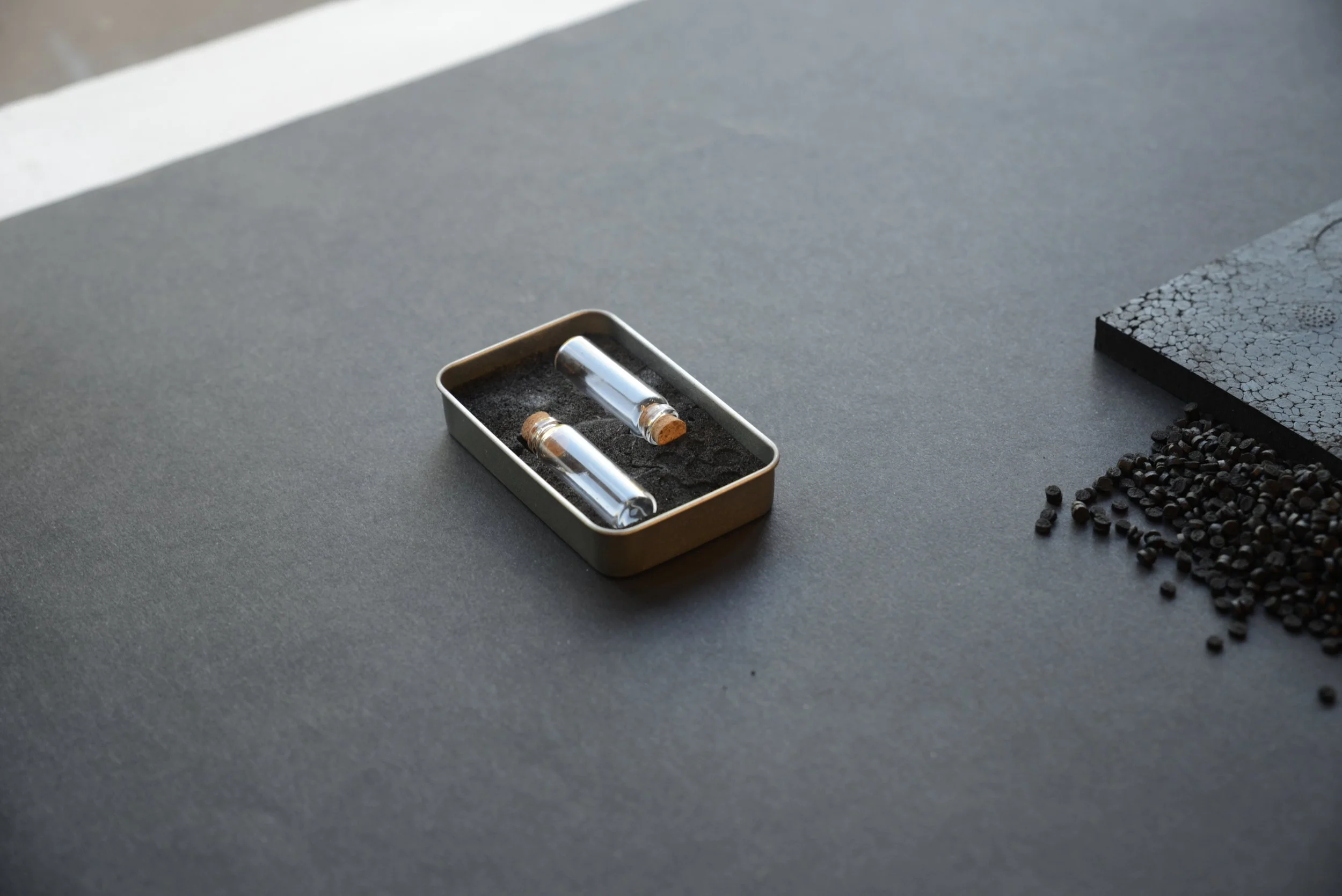
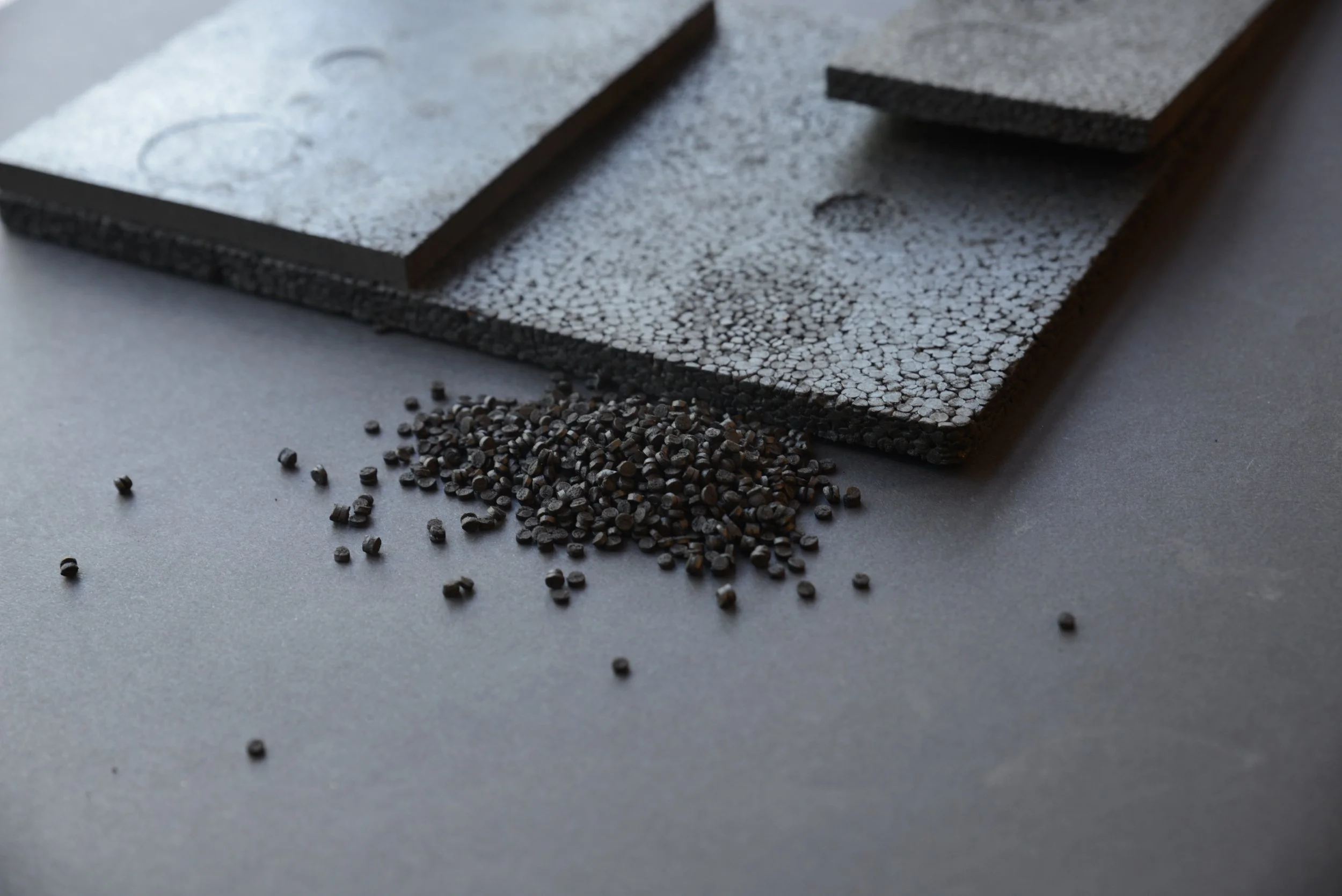
Carbon Cell provides an alternative to polymer-based foams, with a patent pending, plastic-free foam made with carbon-negative biochar. This black foam can replace rigid foams in moulded forms and sheet materials for use in a wide variety of applications, including acoustic paneling, packaging, insulation materials, sandwich boards, and other products that challenge expectations of where foams can be used in industrial and interior design. Biochar, which results from pyrolysing agricultural wastes, not only acts as a permanent carbon sink for carbon trapped by plants, but it lends Carbon Cell improved performance, in terms of thermal resistance, strength, and moisture buffering capacity.

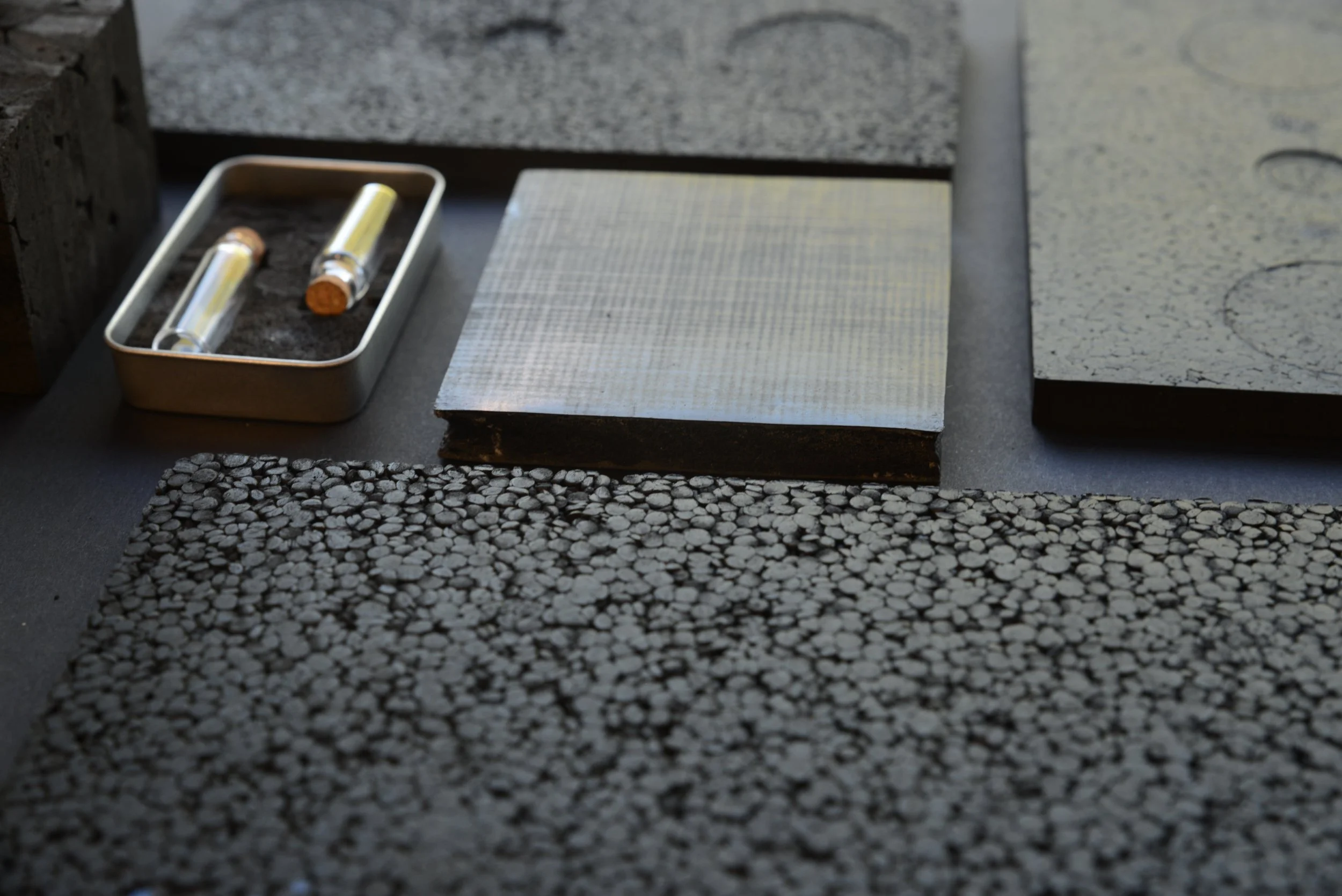
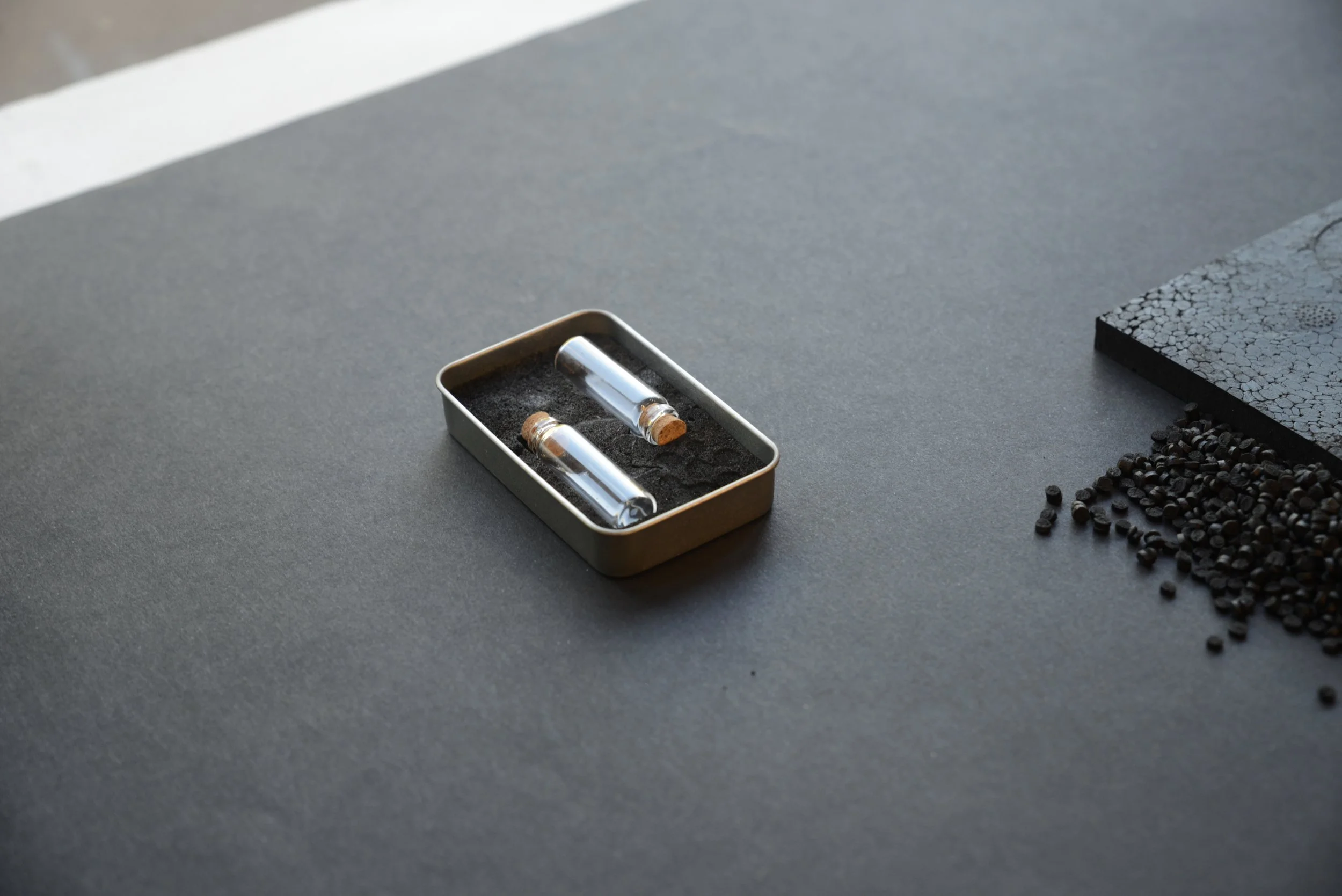
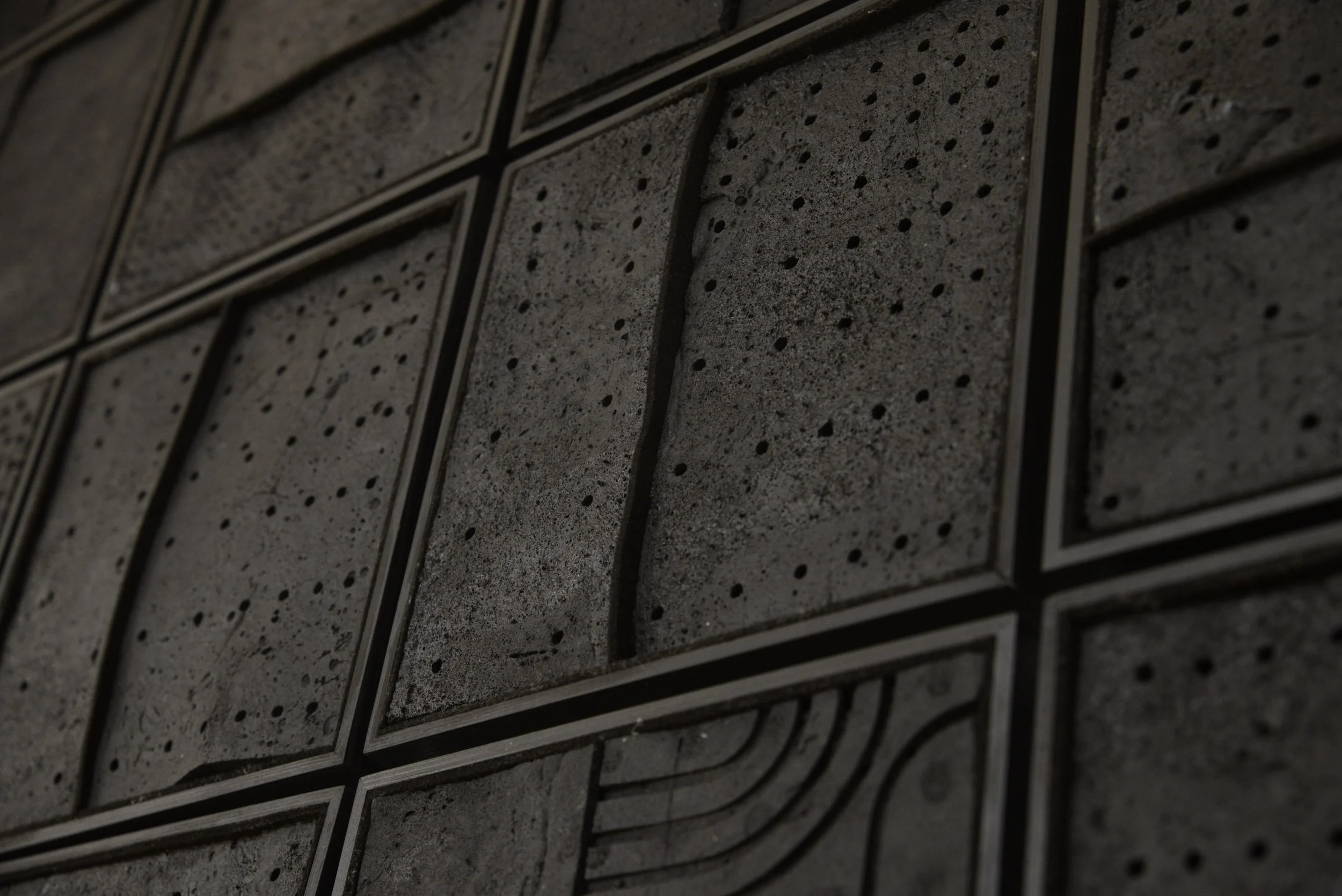
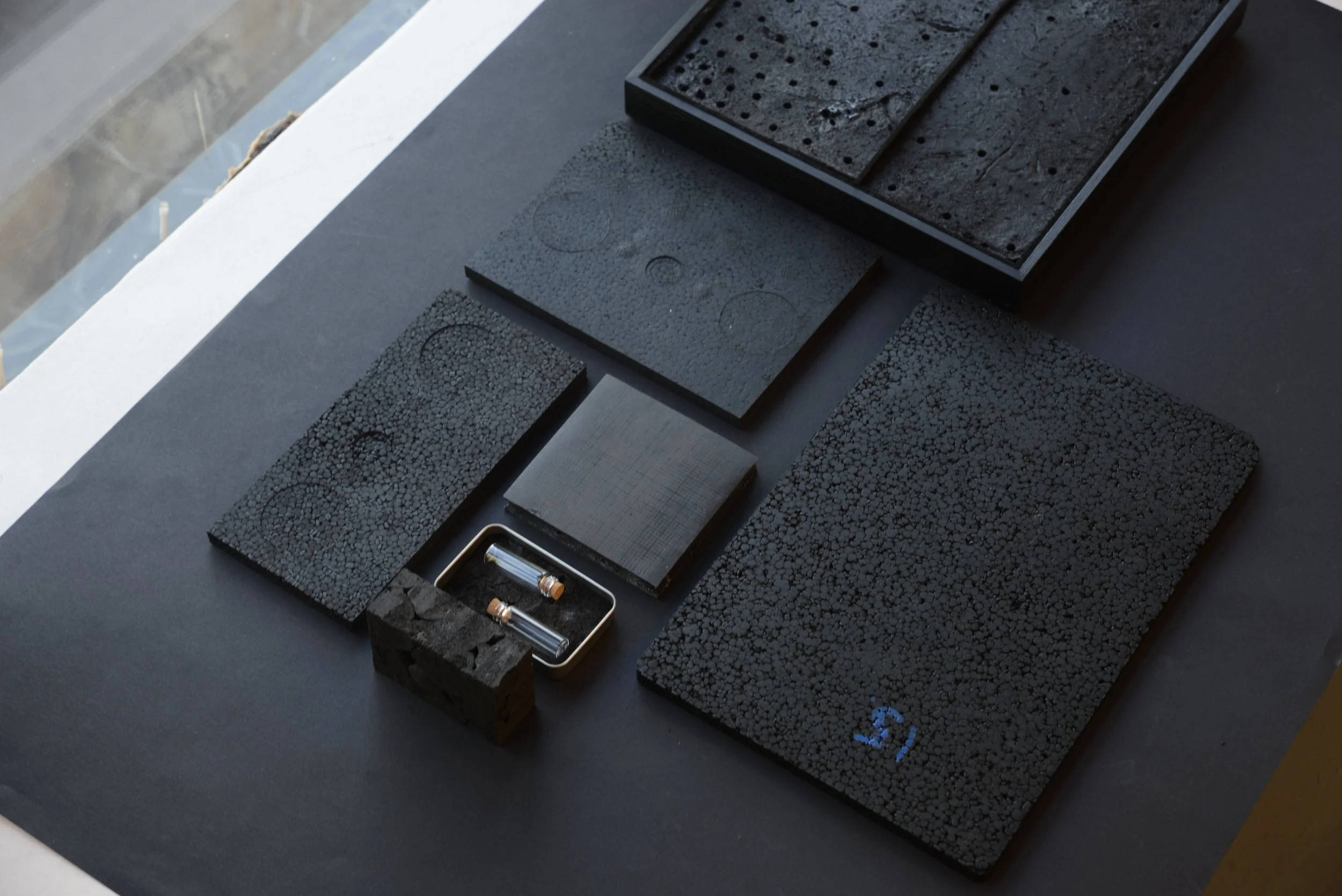

It’s made with biochar
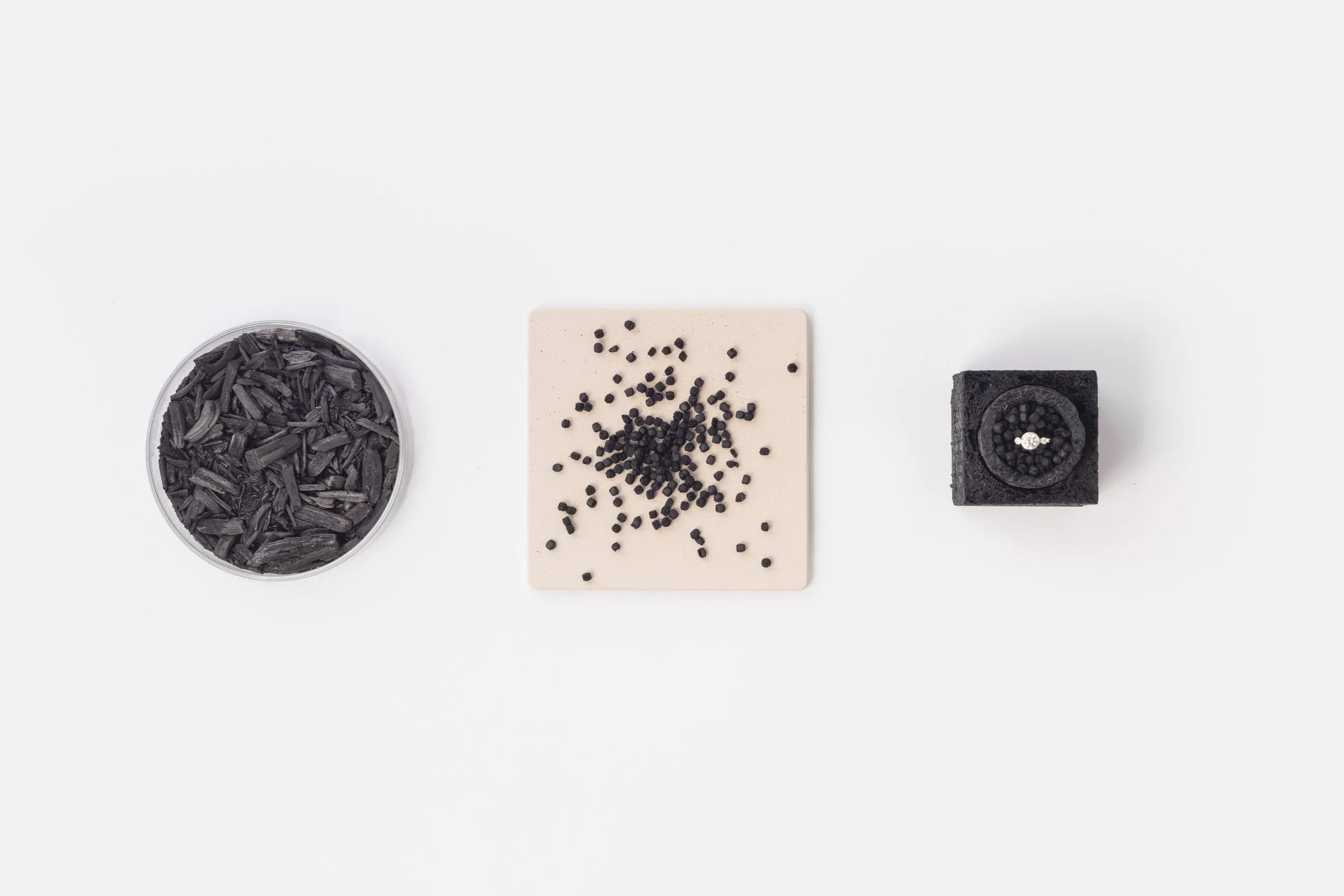
Biochar is a stable carbon material that results from pyrolising or hydrothermically carbonising biomass: basically, burning organic matter in the absence of oxygen. It’s been used for thousands of years as a soil supplement, as it contains millions of tiny macropores and micropores that help disburse water and other organic nutrients evenly and slowly into the earth. These pores also make biochar useful in other applications, such as water filtration and odor absorption.
Carbon Cell achieves its thermal and structural properties in part due to the microstructure of the biochar it contains. Biochar can be produced from a wide range of feedstocks, including agricultural wastes and co-products. Its properties can be varied depending on the characteristics of the initial biomass and processing factors during pyrolysis.